
Causes and Effects of Mouth Breathing

Causes of mouth breathing
Several factors contribute to mouth breathing. These consist of seasonal allergies (especially cedar fever), chronic nasal congestion, enlarged tonsils, and sleep apnea. Some residents often face heightened symptoms due to our area’s unique environmental conditions and allergens.
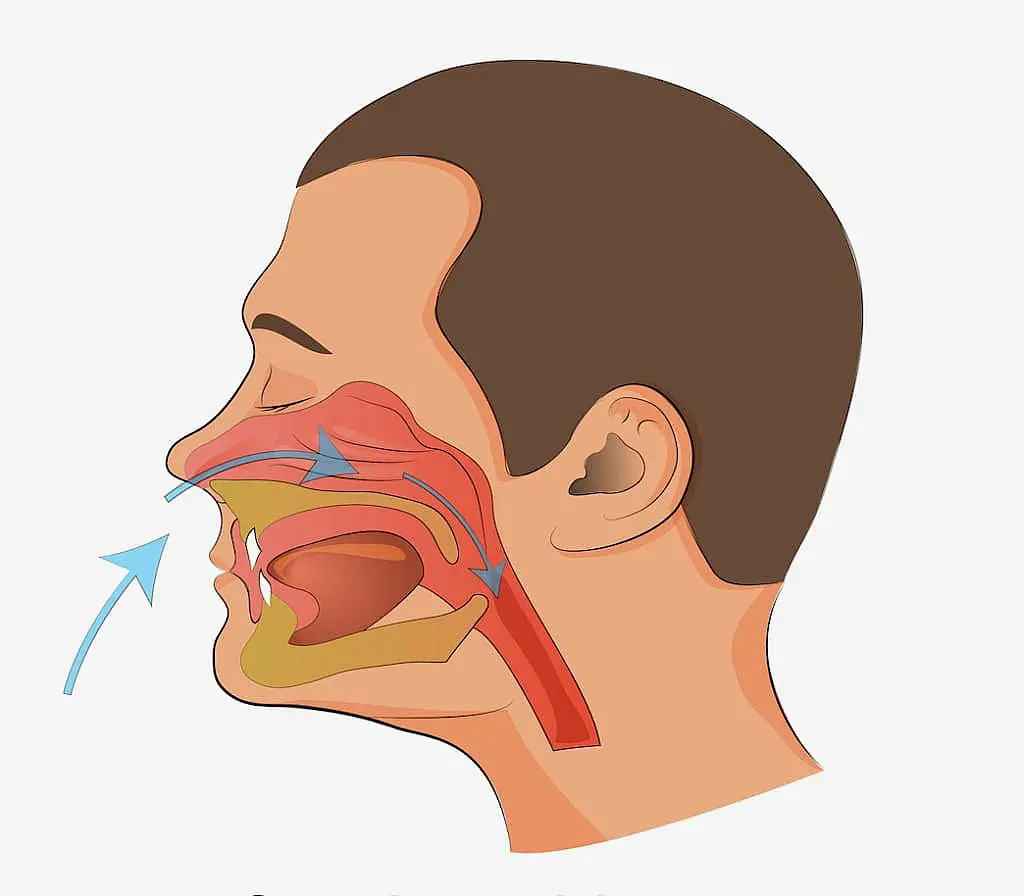
Mouth breathing affects overall health
Our respiratory health is notably vulnerable to the impacts of mouth breathing. Without proper nasal filtration, some residents may experience increased susceptibility to respiratory illnesses, lower oxygen absorption, and hindered breathing efficiency. This is particularly concerning given our state’s changing air quality throughout the year.

Relationship between mouth breathing and dry mouth
Warm weather can worsen the effects of mouth breathing on oral moisture levels. We frequently encounter patients struggling with xerostomia (dry mouth), which can lead to various oral health issues if not addressed.

Connection between mouth breathing and sleep apnea
Mouth breathing and sleep apnea frequently occur together, creating a cycle that adversely affects sleep quality and daily functioning. Many individuals notice improvements in their sleep after addressing mouth breathing, underscoring the importance of recognizing and treating both problems for better overall health and well-being.

Effects of mouth breathing on brain function and cognitive abilities (brain fog)
Breathing through the mouth may lead to cognitive difficulties, with many people experiencing symptoms like decreased focus and mental fatigue. These challenges can detrimentally affect everyday activities, highlighting the importance of addressing mouth breathing to boost cognitive functions and overall well-being.

Impact of mouth breathing on oral health and bad breath
At our practice, we frequently observe patients whose mouth breathing has contributed to dental issues and halitosis. The reduced saliva production creates an environment where harmful bacteria can thrive, potentially resulting in tooth decay and gum disease.
Health Risks Associated with Mouth Breathing
Mouth breathing, in both adults and children, can increase the likelihood of respiratory infections such as sinus infections, colds, and the flu. This is because mouth breathing bypasses the nasal cavity’s natural filtration system, allowing harmful pathogens to enter the lungs more easily. Furthermore, habitual mouth breathing can lead to nasal congestion and blockage, which further complicates the situation by making nasal breathing more challenging.
The relationship between mouth breathing and lung health is, therefore, a concerning one, as it can contribute to respiratory problems over time. In young children, the complications of mouth breathing can be particularly troublesome. Chronic mouth breathing in kids can lead to abnormal facial and dental development, poor sleep quality, and behavioral issues, emphasizing the importance of addressing this habit early on.
Diagnosis and Treatment
At Star Smiles Orthodontics and Pediatric Dentistry, we employ advanced diagnostic techniques to detect mouth breathing patterns and their underlying causes. We create personalized treatment plans that may include orthodontic interventions, breathing exercises, and coordination with local specialists when required.
Prevention and Management
Breathing exercises and techniques to boost nasal breathing in children can be enhanced through various preventive and management strategies. First, lifestyle changes like a balanced diet, staying well-hydrated, and participating in regular physical activity can help minimize nasal congestion and promote nasal breathing. Second, specific breathing techniques can be applied to improve breathing patterns.
These might involve diaphragmatic breathing, which encourages deep, effective breaths using the diaphragm instead of shallow chest breathing, and simple exercises to help clear nasal passages. Educating children on the significance of nasal breathing for their overall health and creating awareness about good breathing habits can also be greatly beneficial. By combining lifestyle alterations with targeted breathing exercises, a comprehensive approach can help foster and maintain nasal breathing habits in children.

Improving Your Breathing and Health with Airway Orthodontics