

Braces vs Invisalign: Which is Best?
The decision between Braces vs Invisalign (made by Align Technology) to correct crooked teeth can be daunting anywhere, including Bloomingdale and Naperville, IL. It begins with selecting the top orthodontist in Bloomingdale and Naperville. Both options have their strengths and weaknesses, and here in Bloomingdale and Naperville, orthodontics is no exception—the decision often relies on personal factors such as your dental health and lifestyle. So who prevails in the matchup of Invisalign vs Braces?
While traditional brackets or ceramic braces are usually suggested by the orthodontist or dentist for more complicated issues beyond just crooked teeth, Invisalign or Invisalign Teen are advancing in terms of technology and flexibility to improve your smile. This piece will explore the effectiveness of these treatments, aiding you in making a more informed choice about both the type of therapy and which orthodontic office in Bloomingdale and Naperville, to trust for your oral health and to attain a beautiful smile.
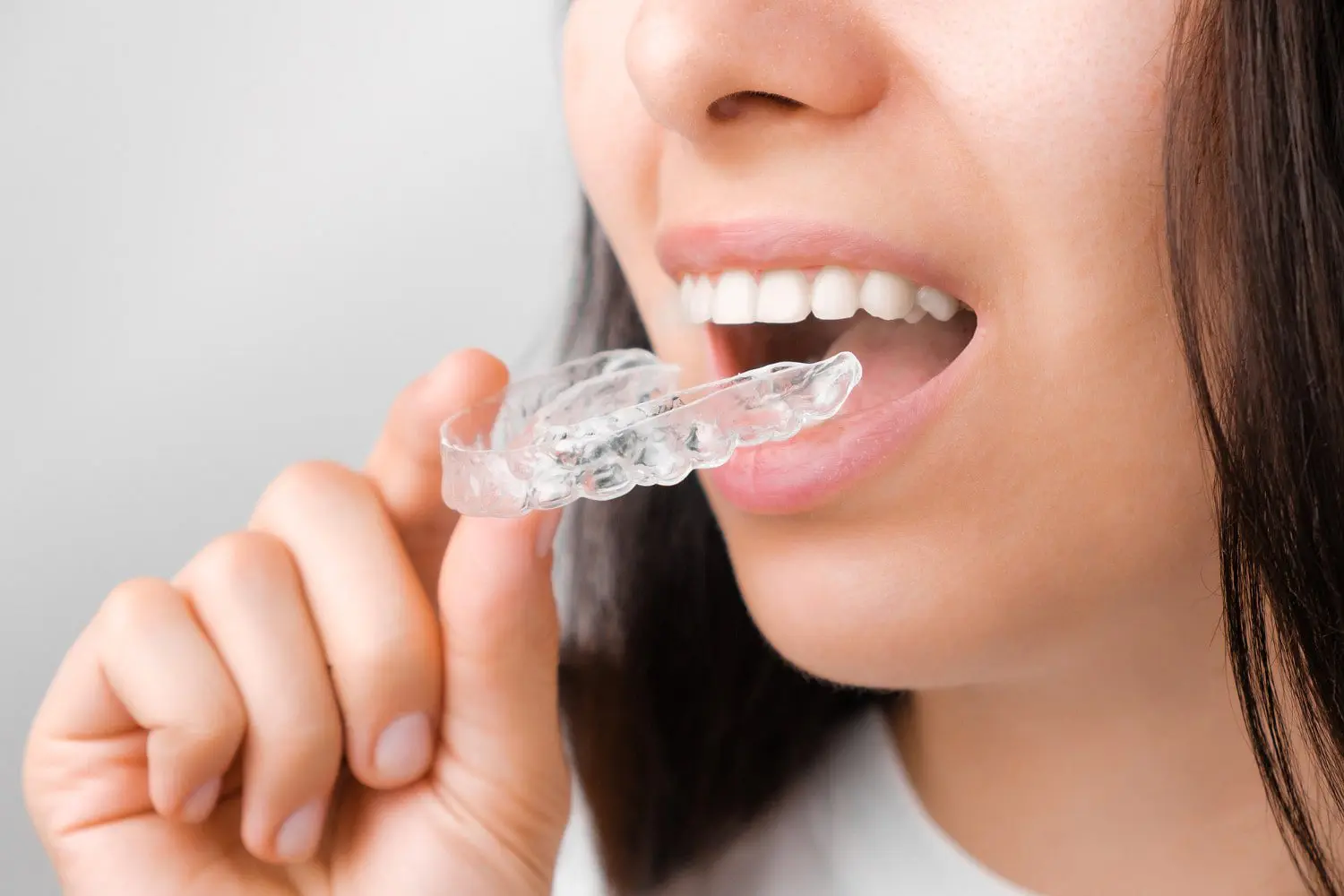
Factors Influencing Effectiveness of Braces vs Invisalign
Complexity of the Dental Case
Dental treatment is influenced by case complexity. Certain methods provide superior control and are better suited for addressing intricate dental concerns.
Specific treatments necessitate consistent commitment and adherence. A patient’s lifestyle or habits may impact the treatment choice for successful results.
Alternative treatments may perform better when habits are unpredictable, offering reliable outcomes without heavy reliance on daily patient compliance.
Investment and Oral Hygiene
Orthodontic care is a significant investment. Some treatments ease oral hygiene, ensuring simpler maintenance and possibly fewer cleaning visits in the future.
Certain methods help reduce bacteria, leading to healthier teeth and gums while promoting better long-term oral health with fewer complications.
Other treatments require careful cleaning. Neglected care can result in plaque accumulation, making regular cleaning essential for maintaining overall health.
Orthodontic Treatment Effectiveness in Different Age Groups
Explore how orthodontic treatment differs between children and adults, focusing on growth, lifestyle, and the tailored solutions available for each.

Early Orthodontic
Treatment in Children
Early orthodontic treatment helps guide jaw and teeth development during their growth phase. Traditional braces are practical and effective for younger patients, addressing complex issues with high precision while requiring minimal concern regarding appearance.
Adult Orthodontics:
Invisalign versus Braces
Adults often weigh the options between removable or fixed treatments based on their lifestyle. Removable choices offer flexibility and aesthetics, while fixed methods suit inconsistent habits, ensuring reliability. Both approaches depend on case complexity and individual preferences.
Real-world Applications: Invisalign or Braces?
Debunking Myths Around Braces and Invisalign
Clearing up common misconceptions can help patients make educated choices about braces and clear aligner treatments.
Myths about Braces
Many people assume braces are only for kids or teenagers; however, they are effective for all ages and serve to correct long-standing orthodontic issues, including those for adults.
Myths about Clear Aligner Therapy
Clear aligners are not necessarily more expensive than braces and can address many situations. Even though less suitable for severe cases, they maintain effectiveness with patient compliance and careful planning for various orthodontic needs.

Can Extraction Cases be Treated with Clear Aligners
Clear aligners can efficiently handle cases involving tooth extractions when used as instructed. Successful outcomes heavily rely on patient compliance, as irregular usage may slow progress or reduce successful results. In these situations, alternative treatment methods may be required to ensure effective corrections, depending on the individual patient’s goals and needs for their orthodontic journey.
Mechanical Advantages and Disadvantages of Braces and Invisalign in Orthodontics Biomechanics
As mentioned previously, using accessory appliances is generally easier with traditional metal braces than with clear aligners, especially when tackling more complex cases. Conventional braces provide greater versatility for integrating different devices that enhance anterior jaw positioning, making them particularly suitable for early intervention and adolescent treatment approaches. This flexibility allows orthodontists to utilize a wider range of techniques for achieving optimal results, which can be challenging with standard clear aligners. The straightforward integration of these devices with the brackets enables significant or swift adjustments when needed, ultimately enhancing the overall effectiveness of orthodontic care.